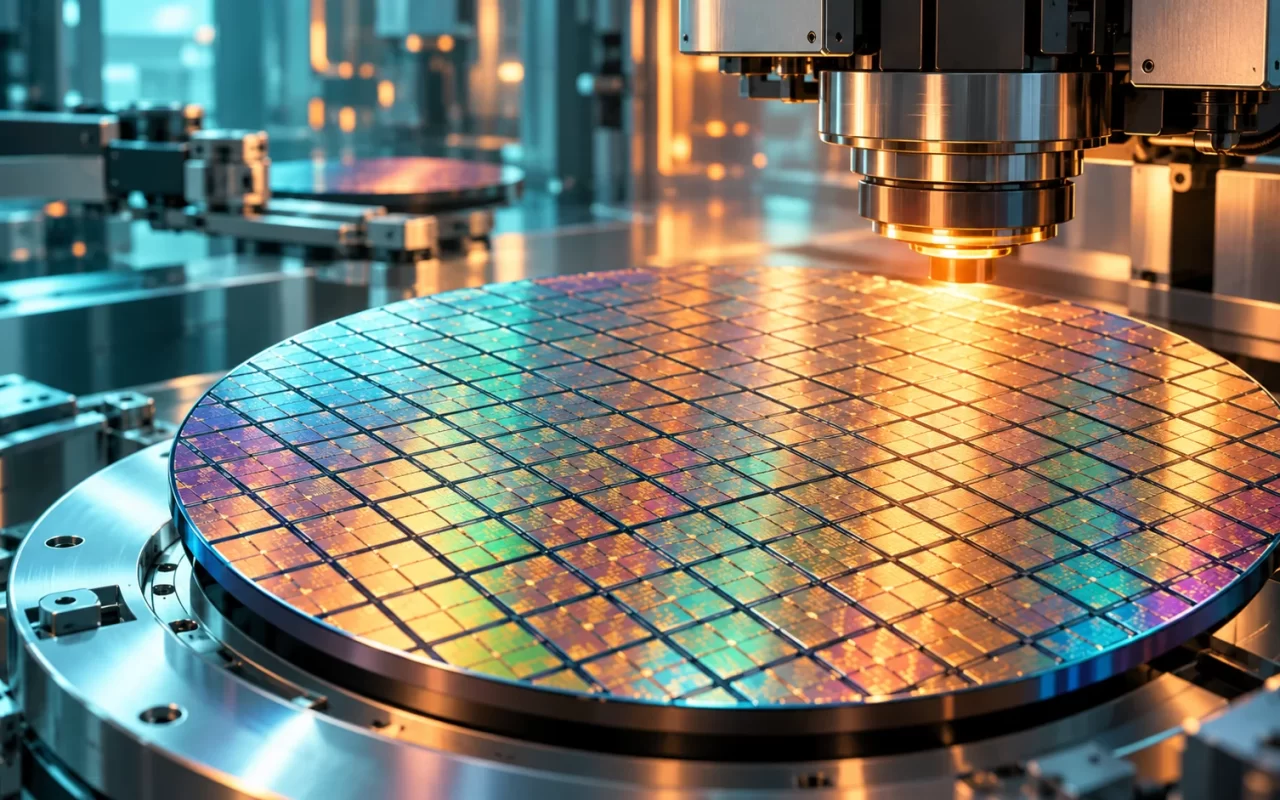
Nvidia gets the headlines. The AI apps get the attention. But there is another company doing something rather important behind the scenes: turning chip designs into actual chips.
That company is Taiwan Semiconductor Manufacturing Company, better known as TSMC. And once you see its scale, the AI boom starts looking a lot more like a manufacturing story.
The factory behind the clever ideas
TSMC operates as a dedicated chip foundry, manufacturing chips for other companies. Its customers can concentrate on designing processors while TSMC handles the extraordinarily difficult business of producing them.
A useful example is Nvidia’s Blackwell data centre GPU. Nvidia says it uses a custom TSMC 4NP manufacturing process and contains 208 billion transistors.
That is quite a lot to squeeze into something you can hold. Making the design work once is impressive. Manufacturing it reliably, again and again, is where the factory earns its place in the story.
How big is TSMC, really?
Its 2025 annual report gives a better answer than a constantly changing stock valuation:
- $122.42 billion in annual revenue, up 35.9% in US dollar terms.
- $55.21 billion in net income.
- 534 customers served with 12,682 different products.
- More than 17 million 12-inch equivalent wafers of annual manufacturing capacity.
That last number measures capacity, not finished chips shipped. A wafer is a disc on which many chips are manufactured together, and the number of chips it yields depends on their size and how many work correctly. The equivalent measure lets different wafer sizes be compared.
And the business kept growing. TSMC reported $46.7 billion in revenue for the third quarter of 2026. That is one quarter, not a whole year.
There is more to AI than a faster processor
Here comes the less glamorous bit that deserves more attention: packaging.
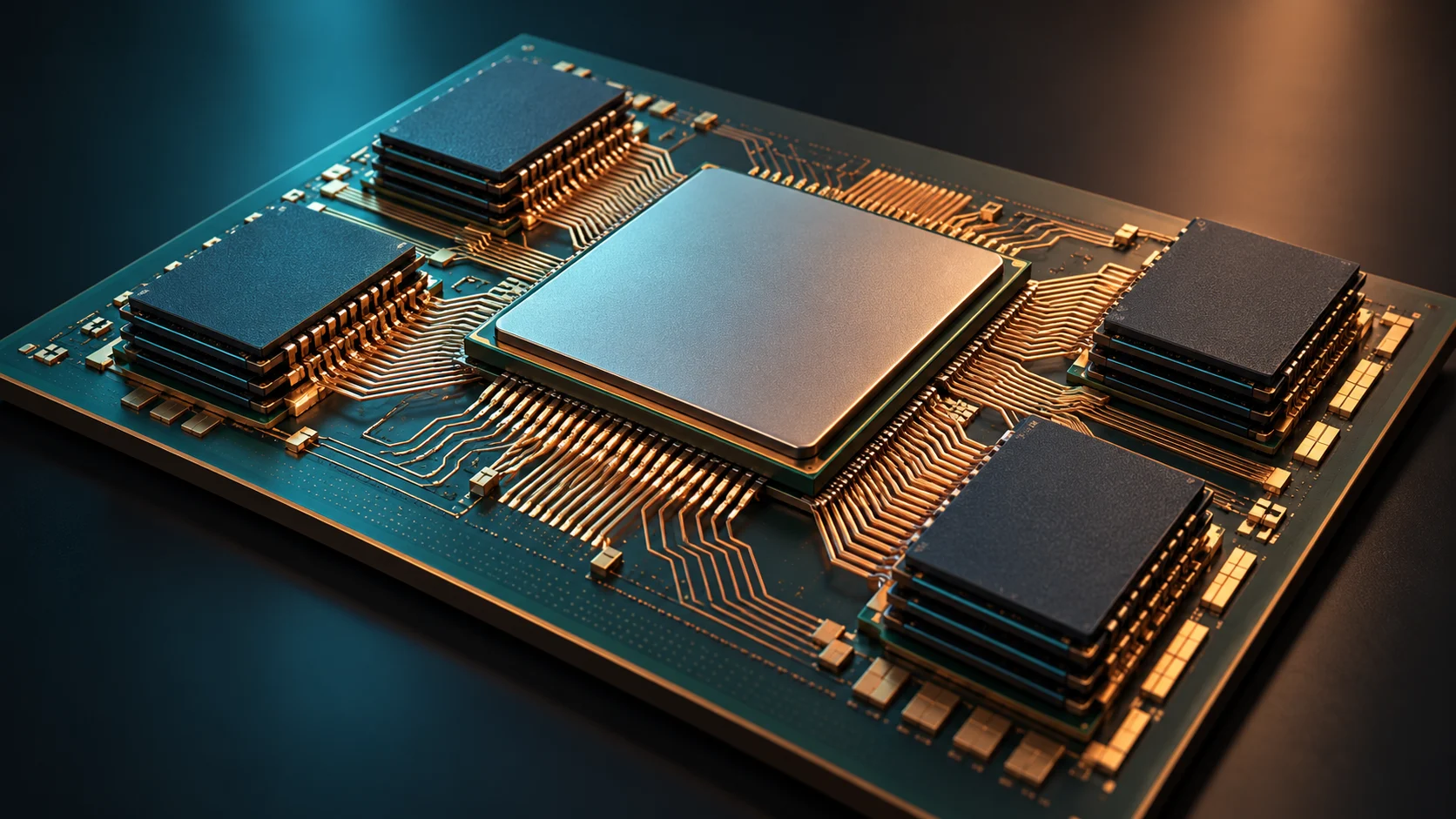
In chips, packaging involves far more than putting a protective cover around the silicon. TSMC’s CoWoS technology places processors and stacks of high bandwidth memory close together on a shared interposer, the layer that connects them.
AI processors need a steady flow of data. Connecting compute and memory efficiently helps keep the hardware working instead of waiting. A brilliant processor is only part of the job.
Why can’t someone just build another TSMC?
Buying machines is a start. A working manufacturing process also needs the right materials, precise control, experienced people and good yield, meaning a high proportion of usable chips.
This is why replacing production capacity is more complicated than moving an order to a different factory. The chip design and the manufacturing process have to work together. Capacity needs to exist, and the resulting chips need to meet their requirements.
ASML builds machines used to print tiny circuit patterns. TSMC brings equipment and manufacturing processes together to produce the chips customers actually need.
Is it the most important company in AI?
There is no single winner to that question. AI also depends on chip designers, memory suppliers, equipment makers, electricity and software. TSMC’s importance is that so much advanced hardware depends on manufacturing that is difficult to reproduce quickly.
The next time an AI demo looks like magic, remember the less visible part: somebody had to make the silicon. At this scale, that might be the more remarkable trick.