Category: LIFEHACKS

  • Breaking the Cycle: How Overthinking Sabotages Productivity and Possible Ways to Overcome It

    Overthinking refers to the process of continuously dwelling on thoughts, ideas, or problems without reaching any resolution. It involves excessively analyzing situations, often leading to a state of mental exhaustion and indecision. Overthinking can manifest in various ways, such as worrying excessively about the future, ruminating on past events, or overanalyzing present circumstances. It can interfere with decision-making, productivity, and overall well-being. Overthinking can waste your time in several ways:

    Analysis Paralysis: Overthinkers often get stuck in a loop of analyzing every possible outcome or scenario, which can prevent them from making decisions in a timely manner. This indecision leads to wasted time and missed opportunities.

    Ruminating on Past Events: Overthinkers tend to dwell on past mistakes or regrets, replaying scenarios in their minds and imagining alternative outcomes. This rumination consumes mental energy and time that could be better spent on productive activities.

    Worrying about the Future: Similarly, overthinkers may spend excessive time worrying about hypothetical future events, trying to anticipate every possible problem or obstacle. This preoccupation with the future can distract from the present moment and prevent effective action.

    Perfectionism: Overthinkers often strive for perfection in everything they do, which can lead to spending unnecessary time on tasks or projects trying to achieve an unattainable standard. This perfectionism can be paralyzing and ultimately counterproductive.

    Lack of Focus: Overthinking can scatter your focus, causing you to jump from one idea to another without making meaningful progress on any single task. This lack of focus can result in inefficiency and wasted time.

    Overanalyzing Social Interactions: Overthinkers may dissect every social interaction, obsessing over what they said or how others perceived them. This hyper-awareness can lead to self-doubt and insecurity, ultimately wasting time that could be spent on more fulfilling activities.

    Stress and Burnout: Constantly overthinking can lead to increased stress levels and eventual burnout, further reducing productivity and wasting time in the long run as you struggle to regain your mental energy and motivation.

    Overall, overthinking can be a significant time sink, draining your mental resources and preventing you from effectively focusing on the tasks and goals that matter most. Learning to manage and redirect your thoughts can help you break free from the cycle of overthinking and reclaim your time for more meaningful pursuits.

    To overcome overthinking, consider implementing the following strategies:

    1. Awareness: Recognize when you are overthinking. Pay attention to the signs, such as repetitive thoughts, indecision, or excessive worry.
    2. Challenge Negative Thoughts: Question the validity of your thoughts. Ask yourself if there is evidence to support them or if they are simply assumptions or irrational fears.
    3. Practice Mindfulness: Focus on the present moment through mindfulness meditation or deep breathing exercises. This can help quiet the mind and reduce the tendency to dwell on the past or worry about the future.
    4. Set Limits: Allocate a specific amount of time to think about a problem or decision. Once the time is up, make a choice and take action, rather than continuing to ruminate endlessly.
    5. Shift Focus: Engage in activities that distract your mind from overthinking, such as exercising, spending time with loved ones, or pursuing hobbies.
    6. Problem-Solving Techniques: Break down complex problems into smaller, manageable steps. Create a plan of action and focus on solutions rather than dwelling on the problem itself.
    7. Practice Self-Compassion: Be kind to yourself and recognize that it’s normal to have doubts and uncertainties. Treat yourself with the same understanding and empathy you would offer to a friend.
    8. Limit Information Intake: Avoid overloading yourself with unnecessary information or seeking reassurance excessively. Trust your instincts and make decisions based on the information available to you.
    9. Seek Support: Talk to a trusted friend, family member, or therapist about your overthinking tendencies. Sometimes, sharing your thoughts and feelings can provide perspective and help you gain clarity.
    10. Set Boundaries: Establish boundaries to protect your mental well-being. Learn to say no to overcommitment and prioritize self-care activities that help reduce stress and promote relaxation.

    By practicing these strategies consistently, you can gradually overcome overthinking and cultivate a healthier mindset that fosters productivity and peace of mind.

  • See why it is important wearing socks with shoes

    Wearing socks with shoes serves several important purposes:

    Moisture control: Feet can sweat, and moisture can accumulate inside shoes. Socks act as a barrier, absorbing moisture and preventing it from making your feet uncomfortable or causing blisters.

    Friction reduction: Socks reduce the friction between your feet and the shoes. This helps prevent blisters and other abrasions that can occur when your feet rub against the inside of the shoes.

    Temperature regulation: Socks provide a layer of insulation, helping to regulate the temperature inside your shoes. This can be especially important in colder weather, as socks help retain heat and keep your feet warm.

    Odor control: Socks can absorb and contain odor, preventing it from directly affecting your shoes. This can help keep your footwear fresher for longer.

    Foot hygiene: Wearing socks creates a barrier between your feet and the inside of your shoes, helping to maintain better overall foot hygiene. Socks can be easily washed, reducing the risk of bacterial or fungal growth inside your shoes.

    In addition to these functional reasons, wearing socks can also add an extra layer of comfort and cushioning, depending on the type of socks you choose. Overall, wearing socks with shoes is generally considered a good practice for both comfort and foot health.

  • How Blue Tea Can Transform Your Health: Benefits Unveiled!

    Blue tea, also known as butterfly pea flower tea, is a herbal tea made from the dried petals of the Clitoria ternatea plant. It’s known for its stunning blue color and has gained popularity not just for its appearance but also for its potential health benefits.

    Some of its benefits include:

    Rich in antioxidants: Blue tea contains antioxidants that help combat free radicals in the body, potentially reducing oxidative stress and promoting overall health.

    May support brain health: Some studies suggest that compounds in blue tea may have neuroprotective effects, potentially benefiting brain health and cognitive function.

    Could aid in digestion: Blue tea has been traditionally used to help with digestive issues due to its anti-inflammatory properties. It may help soothe the digestive system and alleviate discomfort.

    Promotes hair and skin health: The antioxidants present in blue tea might contribute to healthier hair and skin by combating damage caused by free radicals.

    May help manage blood sugar levels: There’s some evidence to suggest that blue tea may have a role in regulating blood sugar levels, potentially benefiting individuals with diabetes.

    Mood-enhancing properties: Some anecdotal evidence and traditional use suggest that blue tea may have calming and stress-reducing effects.

  • You should know about Raisins Goodness

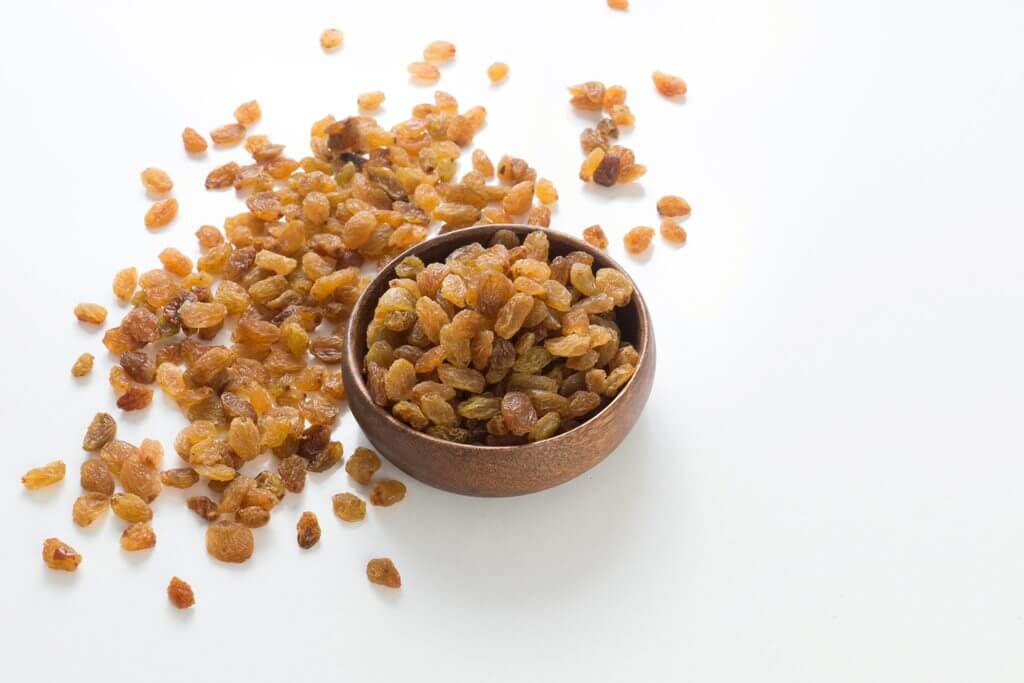
    Raisins are a nutritious food and can be part of a healthy diet when consumed in moderation. Raisins are a good source of fiber, vitamins, and minerals. They are also high in antioxidants, which can help protect your cells from damage caused by free radicals. Additionally, raisins can be a good source of energy and may help to satisfy hunger and prevent overeating.

    However, it’s important to note that raisins are also high in natural sugars and calories, so they should be consumed in moderation, especially if you are trying to manage your weight or blood sugar levels. It’s also important to choose unsweetened varieties of raisins whenever possible, as some types may contain added sugars.

    Raisins offer several potential benefits to your health, including:

    • High in antioxidants: Raisins are rich in antioxidants such as polyphenols, which can help protect your cells from damage caused by free radicals.
    • Good source of fiber: Raisins are a good source of dietary fiber, which can help regulate digestion and keep you feeling full and satisfied.
    • May help regulate blood sugar: Some studies have suggested that consuming raisins may help regulate blood sugar levels, potentially reducing the risk of developing type 2 diabetes.
    • May promote heart health: Raisins contain compounds that may help promote heart health by reducing inflammation and improving blood cholesterol levels.
    • May aid in weight management: Despite their sweet taste, raisins are relatively low in calories and can be a satisfying snack that helps prevent overeating.
    • Rich in vitamins and minerals: Raisins are a good source of several essential vitamins and minerals, including iron, potassium, and vitamin B6.

    It’s important to note that while raisins can offer health benefits, they should be consumed in moderation due to their high sugar content.


    Disclaimer: Please consult a doctor for any health issues, article is just for informative purposes only. Every person has a different body type and expert opinion is always recommended. 

  • How To Preserve Onions For Longer Periods

    What would we do without onions? Just cannot do without them when it comes to the mastery of the art of cooking! For something that always has its place in the kitchen and needs to be ever-present, it is difficult sometimes to know the proper (and best) ways of storing onions.

    Here are some easy yet very useful onion preservation techniques to preserve onions for longer periods of time –

    1. Store in a cool, dry and dark place

    We all know that onions need to be stored in a cool, dry place that is properly ventilated but not brightly lit up. It is important that they are kept in a dark place at a low temperature. This is because if they are exposed to high temperatures or humidity, they will either go bad or start sprouting. Studies show that a temperature of about 4–10°C is the best for storing onions.

    1. Do not keep them in plastic bags/covers after they have entered your house

    Keep them in a basket or an open sack bag after you have brought them home. Do not leave them in the paper or plastic bags because this will prevent ventilation. An open basket or a bag that supports ventilation is where you should place the onions in

    1. Do not store them in the refrigerator

    Storing onions in the refrigerator will expose them to a cold temperature (also humid) that can lead to them rotting. And since they are highly absorbent of moisture as well, the refrigerator is not the best place to keep them.

    onion cutting small pieces

    Storing onions in different stages –

    • Sliced or cut

    These onions can be stored in the refrigerator for up to 8-10 days. Wrap them well in a tight wrap for them to last that long. If you would like to keep them for longer, you can put them in the freezer.

    • Peeled

    Peeled onions will also need to be refrigerated because if kept in the open, they risk being soiled by bacteria. These onions need to be kept in a container (airtight) and placed in the refrigerator. These will go up to 12-14 days.

    • Cooked

    You can store cooked onions in the refrigerator for a total of about 5 days. You want to make sure that the cooked onions are not left in the open for long because then they can go bad. Once they cool off, just put them in an airtight container within 2-3 hours of cooking and place the container in the refrigerator.

    Now you don’t need to keep throwing the rotten ones away and shelling money on buying onions every week. Just preserve them well!

    half cut onion

  • 6 Best Non-Perishable Healthy Foods For Emergencies

    What do you do for food when there is an emergency or a sudden plan that’s made and you need to rush out of your home in 10 minutes?

    Hello, non-perishable foods!

    Non-perishable foods, as the name suggests, have a long shelf life, and do not get spoilt without refrigeration either. They make for amazing snacks that you can munch on whenever you want (actually that can be a drawback too) and also essential food for sudden situations or crises that are unavoidable, so you don’t have to worry.

    Although there are non-perishable foods that can be unhealthy for you like junk food, there are also many healthy non-perishable foods that you can store at home and be prepared for any emergency or a sudden adventure plan of a road trip, camping, trekking, etc.

    Here are some of the healthiest, most commonly used and advised non-perishable foods to keep –

    1. Dried fruits and veggies

    Always having dried fruits and veggies in your kitchen is a good idea. Dried fruits and vegetables like cashews, berries, raisins, apricots, carrots, etc are great and are of high nutritional value too!

    Dried fruits
    Photo by Polina Tankilevitch from Pexels


    1. Peanut butter

    Peanut butter or jars of other nut butter are not just the yummiest on a sandwich, but also a particularly good source of proteins, vitamins, and healthy fat. Having a jar of peanut butter at home always is never a bad thing.

    6 Best Non-Perishable Healthy Foods For Emergencies 1


    1. Canned poultry

    Canned poultry can go a long way. You can store them up to years even and they are very high in protein. They are also widely available in the markets for reasonable prices so you can store good amounts of this non-perishable food. Be sure to check the shelf life of each can though!

    canned food chicken
    Photo by Calle Macarone on Unsplash


    1. Jerky

    For all the meat lovers out there, this is a must item in your kitchen for uncertain times. There are various types of jerky available like beef, chicken, buff, etc. and with high protein. Too much of jerky is not a healthy choice, but storage with controlled intake is advisable.

    jerky
    Image by Daniel Albany from Pixabay


    1. Pasta

    Pasta is great for storing and has a great shelf life. As long as you have the ability to boil water that you can cook the pasta in, it is a great option to have for a meal. With the many different varieties of pasta in shapes, sizes, and even nutritional levels, you can choose your favorites and enjoy them whenever you want!

    pasta
    Photo by Heather Gill on Unsplash


    1. Protein bars

    Protein bars are always a go-to. They are perfect for when you don’t really have time to eat and grab a bar for the road or to pack some when you’re going on a hike. Most of these protein bars have a shelf life of up to one year and with contents like oats, nuts, dried fruits, etc. they are very nutritious and filling.

    protein bars eating
    Photo by Perfect Snacks (Unsplash)


    Store some of these lifesavers at home and you’re ever ready for emergencies!


    Disclaimer: Please consult a doctor before taking any action or changing diet. Every person has a different body type and expert opinion is always recommended.


    5 Ways To Use Whiskey In Creating The Best Face Packs

  • Best Home Natural Remedies To Fight Acne

    Acne poses as one of the most annoying skin conditions. Not only for girls and women, but also for boys and men. The pimples are frustrating, and the scars are even worse. They can get so bothering that they start to control your social life, your fun plans, and thus, your self-esteem. With so many pops on your face, it’s obviously not a pretty picture!

    Best Home Remedies To Fight Acne

    But did you know that acne attack mostly because of your poor lifestyle and health choices? The stress that you carry over your head gets so much that it starts to affect your skin in really ugly ways. The unhealthy food, irregular sleep patterns are like an invitation to a party of acne.

    Your health choices matter.

    Along with that, here are some natural home remedies to fight those dirty little (and big) zits –

    Apple Cider Vinegar

    Apple cider vinegar is like the go-to for most skin-related ailments. It is amazingly effective and shows results within a short period of time. Take one teaspoon of apple cider vinegar and mix it with 3 teaspoons of water in a petri dish. Use a cotton ball to apply the mixture on the acne. Do this once or twice a day and you’ll start to see some relief within a week’s time. [it should be use in undiluted form].

    Best Home Natural Remedies To Fight Acne 1


    Green Tea

    Green tea benefits just don’t stop, do they? You drink some, you apply some. Green tea has amazing effects when it comes to reducing the inflammation of acne and fight the bacteria. Make some green tea and when it cools down after boiling, take a cotton ball, and apply it to your face. Rinse off after 10 minutes. Do this every day till your acne subsides.

    Best Home Natural Remedies To Fight Acne 2
    Photo by Mareefe (Pexels)


    Aloe Vera Gel

    This is the best thing that will ever happen to your skin. Aloe vera gel is just too good when it comes to fighting inflammation and bacteria and healing your acne. Moisturize your face with aloe vera gel to get rid of acne and as a bonus, you get a beautiful face glow. Instead of buying this gel, keep it natural and grow it in your balcony to use the gel directly from the plant! It’s the best.

    aloe vera gel
    Via


    Avocado oil

    This oil is not only good for your dry skin that you keep worrying about, but also for those pimples and marks as well. Avocado oil is super rich in a lot of minerals and vitamins which help fight acne and give you happy skin.

    unused avocado with a chunk of onion


    Ice

    As simple as it may sound, ice is great to minimise the harmful effects of acne on your skin. You just have to wrap an ice cube in a cloth and gently press it against the acne. This on and off process for a good number of times will help bring the swelling down by cooling the acne and give you the relief you need.

    Best Home Natural Remedies To Fight Acne 3
    via


    Honey

    As most people know, honey has medicinal properties and is used in a lot of products for the skin. Take some honey and apply it on the affected area(s). Do this often in a week and start to see the acne vanishing, not to forget a smoothness in the feel of your skin.

    Best Home Natural Remedies To Fight Acne 4


    Lemon Juice

    When life gives you acne, make lemon juice! One of the simplest yet effective ways to fight acne is applying lemon juice to them. Squeeze a lemon and using a cotton ball, apply the juice to the affected areas on your face. Let it stay for about 10 minutes and then rinse with water. Do this twice a day. You can even mix the juice with some rosewater for better results. Lemon helps with opening up the pores in the skin and remove dead cells, while helping dry out the acne.

    Best Home Natural Remedies To Fight Acne 5
    Photo by Noah Buscher


    A healthy diet

    Lastly, but most importantly, you must remember that your skin reflects what you eat. A healthy diet is the best preventive measure against acne. You eat healthy and your skin will be healthy. But when you are dealing with acne, remind yourself to stay away from sweet and dairy products and also, sleep well at nights – 7-8 hours.

    7 Gross Ways To Boost Your Immunity System
    Pexels

    Disclaimer: Please consult a doctor before taking any action. Every person has a different body type and expert opinion is always recommended. 


  • 5 Simple Ways To Boost Your Immunity

    It is an established fact that keeping our immunity in check is something we must constantly work on. It is important to ensure that our bodies are healthy and have the power to ward off infections and diseases that so easily attack if you have low immunity. With a strong immune system, we let ourselves experience the joys of a healthy life and that enhances our mental and emotional health too. It’s a pretty powerful thing to have!

    We initially told you about some gross ways to ensure your immune system is well – like eating your boogers, not showering every day, eating loads of garlic, etc. Yep, real gross but very effective!

    However, if you’re the kind who thinks these are “so gross I’m cringing” kinda tips and want to keep it plain and simple like maintaining healthy eating habits, our daily routine, our sleep patterns, etc.,

    Here are some very easy steps for you to boost your immunity –

    1. Drink lots of water

    At least 8 glasses every day. It is important to stay hydrated for the body to function properly and keep away infections and viruses. Good hydration helps the body in temperature regulation, flushing body waste and keeping our body clean, boosting skin health, cushioning sensitive tissues, maintaining blood pressure to name a few benefits.

    water reminder glass
    Photo by Buenosia Carol


    1. Eat healthy

    Along with eating healthy food with fruits and veggies, it is also essential to include spies like turmeric, ginger, garlic in your foods as they carry nutrients and properties that maintain the body’s immunity system. Fruits that have Vitamin C, like oranges and lemons are also instrumental in building the immunity.

    5 Simple Ways To Boost Your Immunity 1
    Photo by Dan Gold


    1. Get enough sleep

    Good sleep is very essential for the body to rest and rejuvenate. Getting at least 6-8 hours of sleep is essential for the body to function properly. Sleep helps the immune system to detect and destroy germs and thus, it improves and strengthens the body’s immune response. That’s why it is important that we all get enough sleep each night.

    Good night's sleep


    1. Exercise every day

    Even if you don’t train at a gym, get some moderate exercise by doing simple workouts like brisk walking, cycling, skipping, simple core exercises, etc. Some exercise every day helps increase blood circulation in the body, controls weight, decreases the risk of cardiovascular diseases, helps mental health with focus and sharpness, uplifts mood and energy and also gives you better sleep!

    5 Simple Ways To Boost Your Immunity 2
    Photo by Tirachard Kumtanom (Pexels)


    1. Try social media detox from time to time

    With technology taking over us all, it is important to take purposeful breaks from time to time. Too much technology and social media can be overwhelming and affect our mental and physical health. Set screen time for all your devices and don’t abuse that limit. Also, taking short breaks from social media from time to time is recommended so you can take some time for yourself to reconnect with the real world and be recharged.

    5 Simple Ways To Boost Your Immunity 3


  • 3 Ways To Deal With Stress In The Time of COVID-19

    Due to the COVID-19 outbreak, there is a lot of fear, panic and anxiety that’s spread twice as fast as the virus. People are scared, not knowing how to deal with the news that just keeps blowing up with how the virus is spreading like wildfire and there is no cure for it yet. Staying locked up inside homes is how the world is trying to contain the spread of this virus as scientists and the medical fraternity work on a cure.

    We are all indoors for over two weeks, three weeks and even more than a month now for some countries. There is a lot of stress that comes with the helplessness of being locked in, not being able to do what we all do on a normal basis and it is essential that we take care of our emotional and mental health.

    The world we are living in right now is scary and can get to us if we do not take care of ourselves, both physically and mentally. So here are some ways we can deal with the stress that comes with living in the time of COVID-19 –

    1. Plug yourself with community

    If you are with family right now, that’s great. Spend time with them, and find creative ways to do it – play games, cook together, watch movies together, etc. If you are not with family or roommates and live by yourself, then take the time to make phone calls and video calls to stay connected. It is important that you are connected with loved ones during this time to have comfort and positivity around you.

    woman socializing

    1. Have a routine that boosts self-care

    Each of us has certain things that help calm us down when in stress. What are some things that soothe you? It could be a bubble bath, drawing, painting, reading a book, trying new recipes, working out to your favorite music, etc. Whatever it is, prioritize it for each day. Even if for a little while, do it. It will help you feel better and strengthen your emotional and mental health.

    woman painting


    man woman cooking
    Photo by Elle Hughes (Pexels)


    1. Relax with some entertainment – that is what it’s there for!

    Netflix and chill could be just what you need! Now don’t go and start binge-watching. Have a balance but go ahead and watch something. Something funny, maybe. Humour has a great way of reducing stress. You can even play online games with your friends. They can prove to be great alleviators of stress too!

    Lastly, but most importantly, have HOPE. Amidst the social distancing and isolation, the hardships and suffering, fear and panic, there is hope. The hope that we are all in this together and we will get through this together. So, hold onto that glimmer of hope, and speak live with it to those around you. Because we all could use some of that right now.


  • Why Sleeping Naked Is Good For You? See the benefits

    We all have those comfy clothes that we get into as we get ready for bed. Those loose, soft and silky kind because they are always promising when it comes to making us feel comfortable as we lay our head to rest, especially after a long tiring day. Nobody wears tight clothes to bed (well, I hope not) because we all know how annoying and uncomfortable they can get, right?

    But did you know that sleeping naked is the best to feel MOST comfortable while you’re sleeping and wake up well-rested?

    Yep, it’s true. To back this up, there are various studies and research that encourage sleeping naked. Not just because it gives you the best sleep, but also because of the health benefits that come along with sleeping naked.

    Here are some of those amazing health benefits laid out for you –

    Your sleep is really good

    When you are sleeping naked, your body temperature is low. This low temperature helps your body’s clock to regulate your sleep and wake up time. Also, because of the low body temperature, your skin cools off easily and that helps in falling asleep sooner than you generally do with clothes on.

    Good Sleep = Less Stress

    When you are sleeping well, you have less stress! As simple as that. Sleep is such an important part of one’s body functioning and when that is right, you are able to deal with a lot of high-pressure tasks without being stressed out of your mind.

    It is good for your private parts. Also, helps in anti-aging

    When you sleep with clothes on, you are depriving your body of getting some air and breathing. Sleeping naked helps get your private parts some air and thus reduces the risk of infections. As a bonus, when you are not hiding your skin under all those clothes while sleeping, your skin gets to breathe well and that reduce the chance of skin diseases and infections. It also increases melatonin levels which help with anti-aging.

    sleeping naked benefits

    Helps in weight loss

    This one might spark some immediate attention. So, here’s how this works. As already talked about, sleeping naked helps keep the body temperature cool, right? Studies show that when you sleep naked, your metabolism rate increases. This happens because your body makes brown fat to keep your body warm. And this fat burns calories in your body to create the heat to help you stay warm. This way, you are losing weight!

    Reduces Stress

    Sleeping has always been a stress reliever. Sleeping without clothes can give you a sense of freeness and help you calm down.

    Who knew there’d be such interesting health benefits (mainly the last two) come out of just sleeping naked?!