Category: TRAVEL

  • Must-Visit Gems: Unveiling the Wonders of Traveling to Mongolia

    Mongolia is a country in East Asia known for its vast, rugged expanses, nomadic culture, and rich history. Here are some places you might consider visiting as a tourist in Mongolia:

    mongolia
    Photo by Bolatbek Gabiden on Unsplash
    1. Ulaanbaatar (Ulan Bator): The capital and largest city of Mongolia, Ulaanbaatar offers a mix of modern and traditional experiences. Visit the Gandan Monastery, the National Museum of Mongolia, and the Sukhbaatar Square.
    2. Khustain Nuruu National Park: Home to the Przewalski’s horse, the last true wild horse species, this national park is about a two-hour drive from Ulaanbaatar. It’s a great place to experience Mongolia’s natural beauty and see wild horses in their native habitat.
    3. Gobi Desert: The Gobi Desert is a vast and diverse desert region known for its unique landscapes, including the Khongoryn Els sand dunes, the Flaming Cliffs, and the Yol Valley with its dramatic canyons.
    4. Terelj National Park: Located close to Ulaanbaatar, Terelj National Park is known for its stunning landscapes, including granite rock formations and the iconic Turtle Rock. It’s a popular destination for hiking, horseback riding, and camping.
    5. Lake Khuvsgul: Often referred to as the “Blue Pearl of Mongolia,” Lake Khuvsgul is one of the largest and deepest freshwater lakes in Central Asia. It offers beautiful scenery and opportunities for boating, fishing, and hiking.
      mongolia
      Photo by Oko Rs on Unsplash
    6. Karakorum (Kharkhorin): Once the capital of the Mongol Empire, Karakorum is an ancient city with historical significance. Visit the Erdene Zuu Monastery, the oldest Buddhist monastery in Mongolia, and explore the surrounding archaeological sites.
    7. Orkhon Valley: A UNESCO World Heritage Site, the Orkhon Valley is known for its archaeological remains and cultural landscapes. It’s a great place to learn about Mongolia’s nomadic history and see ancient artifacts.
    8. Hustai National Park: Home to the Przewalski’s horse reintroduction project, Hustai National Park is not far from Ulaanbaatar. It’s a good place to see wild horses, marmots, and other wildlife.
    9. Bayanzag (Flaming Cliffs): This area is famous for its red sandstone cliffs, where dinosaur fossils were first discovered by American paleontologist Roy Chapman Andrews in the 1920s.
    10. Tsenkher Hot Springs: Relax in the natural hot springs located in the Arkhangai Province. It’s a popular stop for those looking to unwind and enjoy the scenic surroundings.
    mongolia
    Photo by Lightscape on Unsplash

    Remember that Mongolia is a vast country with a nomadic culture, so part of the adventure is exploring the wide-open spaces and connecting with the local people and their traditions. Always check current travel conditions and guidelines before planning your trip.

  • Singapore Chronicles: A Traveler’s Handbook to Iconic Sites and Hidden Gems

    People visit Singapore for various reasons, as the city-state offers a unique blend of modernity, cultural diversity, and vibrant attractions. Here are some reasons why people visit Singapore:

    Tourist Attractions: Singapore is home to numerous iconic tourist attractions, including Marina Bay Sands, Gardens by the Bay, Sentosa Island, and the Singapore Flyer. These landmarks offer stunning views, entertainment, and recreational activities.

    Cultural Diversity: Singapore is known for its cultural diversity, with influences from Chinese, Malay, Indian, and other ethnic groups. Visitors can explore neighborhoods like Chinatown, Little India, and Kampong Glam to experience different cultures, cuisines, and traditions.

    Shopping: Singapore is a shopping paradise with a wide range of shopping districts and malls. Orchard Road is famous for its high-end shopping, while Bugis Street and Haji Lane offer unique and affordable shopping experiences.

    Culinary Delights: The city is renowned for its diverse and delicious food options. Hawker centers, where local street food is served, are popular among both locals and tourists. Singapore also boasts numerous fine-dining restaurants with world-class cuisine.

    Clean and Green Environment: Singapore is known for its cleanliness and well-maintained green spaces. Visitors can enjoy the well-designed parks, such as the Singapore Botanic Gardens and East Coast Park, for relaxation and outdoor activities.

    Business and Conferences: Singapore is a global business hub, attracting professionals and entrepreneurs from around the world. Many international conferences and events are held in the city, making it a destination for business travelers.

    Family-Friendly Attractions: Singapore is a family-friendly destination with attractions like Universal Studios Singapore, the Singapore Zoo, and the S.E.A. Aquarium. These attractions cater to visitors of all ages.

    Safety and Efficiency: Singapore is known for its safety, cleanliness, and efficient public transportation system, making it a comfortable destination for travelers.

    Now, regarding the best places to visit as a tourist in Singapore, here are some must-see attractions:

    Marina Bay Sands: A stunning integrated resort with a rooftop infinity pool, observation deck, and entertainment complex.

    Marina Bay Sands
    Marina Bay Sands / Photo by Pang Yuhao (Unsplash)

    Gardens by the Bay: A futuristic garden featuring the iconic Supertree Grove, Flower Dome, and Cloud Forest.

    Gardens by the Bay
    Gardens by the Bay / Photo by Sergio Sala (Unsplash)

    Sentosa Island: A resort island with theme parks, beaches, and various recreational activities.

    Sentosa Island, Singapore
    Sentosa Island, Singapore / Photo by Prakhunwicha Sararaksh (Unsplash)

    Singapore Zoo: Renowned for its open concept and engaging wildlife exhibits.

    Chinatown, Little India, and Kampong Glam: Vibrant neighborhoods representing different cultural influences.

    Orchard Road: A premier shopping street with high-end boutiques and malls.

    Singapore Botanic Gardens: A UNESCO World Heritage Site known for its lush greenery and diverse plant life.

    Singapore Flyer: A giant observation wheel offering panoramic views of the city.

    Singapore Flyer
    Singapore Flyer / Photo by Jeremy Kwok on Unsplash

    These are just a few highlights, and Singapore has much more to offer in terms of entertainment, culture, and adventure.

  • Monaco: The Allure of Opulence – A Glimpse into the Luxurious Lifestyle and Attractions Drawing the Wealthy Elite

    Monaco, a tiny sovereign city-state on the French Riviera, is known for its glamorous lifestyle, luxury, and wealth. Several factors contribute to why rich people are drawn to Monaco:

    Tax Advantages: Monaco is famous for its favorable tax policies. It imposes no income tax on individuals, making it an attractive destination for high-net-worth individuals looking to minimize their tax liabilities.

    Privacy: Monaco offers a high level of privacy and security, which is appealing to many wealthy individuals. The principality is known for its discretion and confidentiality.

    Luxury Living: Monaco is synonymous with luxury living. It boasts exclusive real estate, high-end shopping, gourmet dining, and a vibrant nightlife. The city-state is home to numerous upscale hotels, casinos, and yacht clubs.

    Cultural Events: Monaco hosts various prestigious events throughout the year, such as the Formula 1 Grand Prix, the Monte-Carlo Rolex Masters tennis tournament, and the Monaco Yacht Show. These events attract a wealthy and influential crowd.

    Scenic Location: Nestled on the French Riviera, Monaco offers stunning views of the Mediterranean Sea. Its picturesque landscapes, mild climate, and proximity to other desirable destinations make it an ideal location for those seeking a luxurious and comfortable lifestyle.

    monaco
    Photo by Julien Lanoy ( Unsplash)

    As for places to visit in Monaco, here are some highlights:

    Monte-Carlo Casino: A symbol of luxury and glamour, the casino is an iconic landmark known for its architecture, gaming rooms, and entertainment options.

    Prince’s Palace: The official residence of the Prince of Monaco, the palace is perched on the Rock of Monaco and offers breathtaking views of the city and the Mediterranean.

    Jardin Exotique: This exotic garden features a wide variety of succulent plants and offers panoramic views of the Mediterranean coastline.

    Oceanographic Museum: Founded by Prince Albert I, this museum showcases marine life and features aquariums, artifacts, and educational exhibits.

    Larvotto Beach: Monaco may be small, but it has a beautiful beach where residents and visitors can relax and enjoy the sun.

    Monaco-Ville (Old Town): Explore the narrow streets, historical buildings, and charming ambiance of Monaco’s old town.

    Port Hercules: This is a picturesque harbor filled with luxurious yachts. It’s a great place for a leisurely stroll or to admire the impressive vessels.

    Keep in mind that Monaco is a destination associated with high-end living, and the cost of goods and services reflects this. Visitors can expect an opulent experience but should be prepared for the corresponding expenses.

  • Exploring Ecuador: Nature, Culture, and Adventure

    Ecuador is a beautiful and diverse country located in South America, known for its stunning landscapes, rich culture, and biodiversity. Here are some must-visit places in Ecuador:

    Exploring Ecuador: Nature, Culture, and Adventure 1
    Quito, Ecuador / Photo by Mauricio Muñoz

    Galápagos Islands: Famous for their unique wildlife and the inspiration for Charles Darwin’s theory of evolution, the Galápagos Islands are a UNESCO World Heritage site. You can explore the diverse marine life, see giant tortoises, and witness the beauty of this isolated archipelago.

    Quito: Ecuador’s capital, Quito, is a UNESCO World Heritage site with a well-preserved colonial old town. The city is surrounded by mountains and offers a mix of history, culture, and modern amenities.

    Cuenca: Another UNESCO World Heritage site, Cuenca is known for its well-preserved colonial architecture. The city is set along the Tomebamba River and is famous for its colorful markets, historic churches, and charming cobblestone streets.

    Amazon Rainforest: Explore the Amazon rainforest in Ecuador, home to incredible biodiversity. Yasuní National Park is a popular destination for eco-tourism, offering opportunities for bird watching, jungle treks, and interactions with indigenous communities.

    Otavalo: Known for its vibrant indigenous market, Otavalo is a town in the Andean highlands. The market is famous for its textiles, handicrafts, and traditional clothing. It’s a great place to experience Ecuador’s indigenous culture.

    Baños: Nestled in the Andes, Baños is known for its hot springs and outdoor activities. The town is surrounded by lush landscapes, waterfalls, and offers opportunities for hiking, biking, and adventure sports.

    Baños
    Baños / Photo by Lady Toro

    Montañita: If you’re looking for a beach destination, Montañita is a popular surf town on the Pacific coast. It has a lively atmosphere, beautiful beaches, and is known for its surfing culture and nightlife.

    Mindo: A cloud forest town, Mindo is a haven for nature lovers and birdwatchers. The area is known for its diverse bird species, butterfly farms, and lush greenery.

    Ingapirca: Visit the Inca ruins of Ingapirca, the largest and best-preserved archaeological site in Ecuador. The site includes a sun temple and offers insight into the country’s Inca history.

    Ecuadorian Amazon: In addition to Yasuní National Park, there are other parts of the Ecuadorian Amazon worth exploring. The Amazon Basin offers a chance to experience the incredible biodiversity and indigenous cultures of the region.

    Remember to check travel advisories and local guidelines before planning your visit to any destination.

    Quito, Ecuador
    Provinz Pichincha, Ecuador / Photo by Alexander Schimmeck

  • Discovering the Charm: A Comprehensive Guide to Vacationing in Canada

    Canada is an excellent vacation destination with a lot to offer, catering to various interests and preferences like natural beauty, good infrastructure, safety, unique wildlife, four distinct seasons and much more. Canada is a vast and diverse country with a wide range of tourist attractions, including natural wonders, vibrant cities, and cultural landmarks. Here are some popular tourist places in Canada:

     Yoho National Park
    Photo by Neil Rosenstech (Unsplash)

    Banff National Park (Alberta): Known for its stunning mountain scenery, turquoise lakes, and outdoor activities like hiking, skiing, and wildlife viewing.

    Niagara Falls (Ontario): One of the most famous natural attractions in the world, Niagara Falls is a breathtaking sight with its powerful waterfalls. Visitors can take boat tours to get up close to the falls.

    Vancouver (British Columbia): A vibrant city surrounded by mountains and water, offering a mix of outdoor activities, cultural events, and a diverse culinary scene.

    Toronto (Ontario): Canada’s largest city, known for its iconic CN Tower, diverse neighborhoods, museums, and cultural events.

    Quebec City (Quebec): A charming and historic city with cobblestone streets, European architecture, and the iconic Château Frontenac. It’s the only walled city in North America.

    Montreal (Quebec): A cultural hub with a lively arts scene, festivals, and a blend of French and English influences. Explore Old Montreal, the Montreal Museum of Fine Arts, and Mount Royal Park.

    Jasper National Park (Alberta): A UNESCO World Heritage Site, Jasper offers stunning landscapes, including glaciers, hot springs, and abundant wildlife.

    Whistler (British Columbia): A world-renowned ski resort and outdoor adventure destination, known for its skiing and snowboarding in the winter and mountain biking in the summer.

    Ottawa (Ontario): Canada’s capital, featuring important landmarks such as Parliament Hill, the National Gallery of Canada, and the Rideau Canal.

    Calgary (Alberta): Famous for the Calgary Stampede, this city offers a mix of outdoor activities, cultural attractions, and a thriving culinary scene.

    Halifax (Nova Scotia): A historic port city with charming architecture, a vibrant waterfront, and attractions like the historic Citadel and Peggy’s Cove.

    Prince Edward Island (PEI): Known for its red sand beaches, rolling countryside, and the charming capital city of Charlottetown, the birthplace of Canada.

    Columbia Icefield (Alberta): Home to the Athabasca Glacier, part of the largest icefield in the Rocky Mountains.

    Yoho National Park (British Columbia): Known for its stunning waterfalls, emerald lakes, and impressive rock formations.

     Yoho National Park
    Photo by Jess Barnett (Unsplash)

  • Discovering Japan: Unveiling the Enigmatic Beauty of Tradition and Innovation

    Japan, a land where ancient traditions coalesce with futuristic innovation, captivates travelers from across the globe. From the bustling streets of Tokyo to the serene temples of Kyoto, Japan offers a mesmerizing tapestry of experiences that are as diverse as they are enchanting.

    The heart of Japan’s modernity, Tokyo, is a sprawling metropolis pulsating with energy and innovation. Skyscrapers adorned with neon lights stand tall beside historic temples, creating an unparalleled fusion of past and future. Exploring the eclectic neighborhoods of Shibuya, Shinjuku, and Akihabara offers a glimpse into the city’s dynamic culture. Witness the iconic Shibuya Crossing, a chaotic yet mesmerizing intersection that epitomizes Tokyo’s vibrancy.

    No trip to Japan is complete without beholding the iconic Mount Fuji. Whether admiring its beauty from afar or embarking on a hike, the sight of this majestic peak is awe-inspiring. Additionally, Japan boasts hot springs (onsen) in places like Hakone and Beppu, providing a rejuvenating retreat amid nature’s embrace.

    Here are five must-see places:

    #1. Kyoto:
    Known for its rich cultural heritage, Kyoto boasts over 2,000 temples and shrines. Don’t miss the mesmerizing Arashiyama Bamboo Grove, the iconic Fushimi Inari Shrine with its thousands of torii gates, and the stunning Kinkaku-ji (Golden Pavilion).

    city in Kyoto, Japan by
    Photo by Sorasak (Unsplash)

    #2. Tokyo:
    The dynamic capital of Japan offers a blend of modernity and tradition. Explore bustling neighborhoods like Shibuya and Shinjuku, visit the historic Senso-ji Temple in Asakusa, and witness the innovative side at places like the teamLab Borderless digital art museum.

    Tokyo japan
    Photo by Jezael Melgoza (Unsplash)

    #3. Hiroshima and Miyajima Island:
    Hiroshima stands as a symbol of resilience and peace. Visit the Peace Memorial Park and Museum to learn about the city’s history. Nearby Miyajima Island, famous for its floating torii gate at Itsukushima Shrine, offers a serene escape.

    #4. Osaka:
    A food lover’s paradise, Osaka is renowned for its culinary delights. Indulge in street food at Dotonbori, visit the historic Osaka Castle, and experience the vibrant nightlife in this lively city.

    osaka japan
    Photo by Juliana Barquero (Unsplash)

    #5. Hokkaido:
    For nature enthusiasts, Hokkaido, Japan’s northernmost island, offers breathtaking landscapes. Visit during winter for world-class skiing in Niseko or explore the stunning beauty of the Shikisai-no-Oka flower fields during summer.

    Hokkaido
    Photo by Yuri Shirota (Unsplash)

    Practical Tips for Travelers

    Transport: Japan’s efficient and punctual train system, including the famous Shinkansen (bullet trains), makes traveling between cities a breeze. Consider purchasing a Japan Rail Pass for cost-effective travel.

    Etiquette: Respecting local customs and traditions is crucial. Learning a few basic Japanese phrases and understanding etiquettes like removing shoes before entering a home or temple showcases cultural sensitivity.

    Seasonal Considerations: Japan’s seasons offer varied experiences, from cherry blossoms in spring to vibrant foliage in autumn. Consider the weather and seasonal events when planning your visit.


  • About Turkey and few of the best place to see when you visit

    Turkey is a country located at the crossroads of Europe and Asia. It is officially called the Republic of Turkey and its capital is Ankara, while its largest city is Istanbul. Turkey has a population of around 84 million people and its official language is Turkish.

    Turkey has a diverse culture and history, with influences from various civilizations such as the Greeks, Romans, Ottomans, and Persians. The country has a rich heritage of art, music, literature, and cuisine.

    Turkey has a mixed economy that is classified as newly industrialized country and developing country, and an emerging market. Turkey is a member of the G-20 major economies, OECD, OSCE, and the Turkic Council.

    Turkey is a unitary parliamentary constitutional republic and the President of Turkey is the head of government and head of state. Turkey has a multiparty system. The main political parties are the Justice and Development Party (AKP) and the Republican People’s Party (CHP).

    Turkey has a coastline on the Mediterranean, Aegean, and Black Sea and it’s known for its beautiful beaches, historic sites, and delicious cuisine. Some of the well-known tourist destinations in Turkey include Istanbul, Ephesus, Cappadocia, Antalya, and Bodrum.

    Turkey is a country with a rich history and culture, and there are many places to visit and see when you travel there. Some of the best places to see in Turkey include:

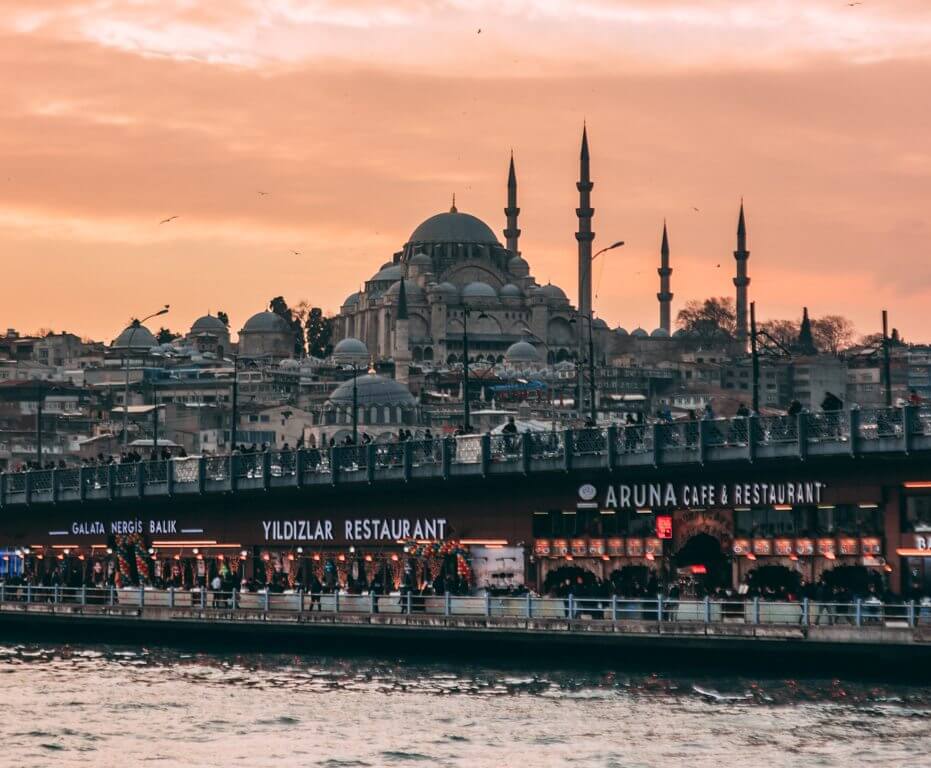
    Istanbul: The largest city in Turkey, Istanbul is a melting pot of cultures and civilizations, with historic landmarks such as the Hagia Sophia, the Blue Mosque, and the Topkapi Palace.

    Cappadocia: Known for its unique geological formations, Cappadocia is a region in central Turkey that is famous for its fairy chimneys, underground cities, and hot air balloon rides.

    Ephesus: This ancient city is home to some of the best-preserved Roman ruins in the world, including the Temple of Artemis and the Library of Celsus.

    Pamukkale: This natural wonder is a UNESCO World Heritage Site and features hot springs and mineral terraces that have been formed into pools and waterfalls.

    Antalya: Known as the “Turkish Riviera,” Antalya is a popular seaside resort with beautiful beaches, historic sites, and delicious seafood.

    Bodrum: A coastal town on the Aegean Sea, Bodrum is known for its nightlife, beaches and ancient city of Halicarnassus which is one of the seven wonders of the ancient world.

    Gallipoli: This historic site is where the famous Battle of Gallipoli was fought during World War I. Visitors can see the trenches, memorials, and cemeteries of the soldiers who fought there.

    Troy: ancient city that was made famous by Homer’s epic poem, the Iliad. Visitors can see the remains of the city walls, the temple of Athena and the Trojan Horse.


  • About Netherlands and see the best places to visit while you travel

    The Netherlands, also known as Holland, is a small country located in Western Europe. It is bordered by Germany to the east, Belgium to the south, and the North Sea to the west and north. The Netherlands is known for its picturesque landscapes, historic cities, and famous canals.

    The Dutch are renowned for their love of cycling, and the country is crisscrossed with thousands of kilometres of bike paths. Amsterdam, the capital and largest city, is a popular tourist destination known for its museums, art galleries, and historic architecture. The famous Rijksmuseum, the Van Gogh Museum, and the Anne Frank House are all located in Amsterdam.

    Another popular destination in the Netherlands is the Keukenhof, also known as the Garden of Europe. This park is famous for its colourful tulip fields, which attract thousands of visitors each year. The tulip fields are only in bloom for a short period in the spring, but the park is open year-round and offers a variety of other flowers and plants.

    The Netherlands is also known for its cheese, particularly Gouda and Edam, as well as its clogs, windmills, and clog-making workshops. The Dutch economy is one of the most developed and competitive in the world, and the country is home to a number of major multinational companies.

    In recent years, the Netherlands has become a leader in sustainable living and water management. The Dutch have developed a system of dams, dikes, and canals to keep the low-lying country from flooding. They also have a strong focus on renewable energy and are working to reduce their carbon footprint.

    Overall, the Netherlands is a small but diverse country with a rich history and culture. Its picturesque landscapes, historic cities, and famous canals make it a popular tourist destination, while its strong economy and focus on sustainable living make it an important player on the global stage.

    Here are some of the best places to visit:

    Amsterdam: Amsterdam is the capital and largest city of the Netherlands and is known for its picturesque canals, historic architecture, and world-famous museums such as the Rijksmuseum and the Van Gogh Museum. The city also has a vibrant nightlife and a variety of shops, restaurants and cafes.

    Keukenhof: Also known as the Garden of Europe, Keukenhof is a park famous for its colorful tulip fields. The park is only open for a short period in the spring but is a must-see for flower lovers.

    The Hague: The Hague is the third-largest city in the Netherlands and is known for its historic architecture, beautiful beaches, and famous museums such as the Mauritshuis, which is home to many of Rembrandt’s paintings.

    Delft: Delft is a charming town that is famous for its blue-and-white Delftware pottery. The town is also home to the beautiful New Church and the historic City Hall.

    Rotterdam: Rotterdam is the second-largest city in the Netherlands and is known for its modern architecture and port. The city is home to many famous buildings such as the cube houses and the Markthal.

    Utrecht: Utrecht is a historic city that is known for its charming canals and beautiful medieval architecture. The city is also home to many museums and galleries, such as the Catharijneconvent Museum.

    Giethoorn: Known as the Venice of the Netherlands, Giethoorn is a small village located in the province of Overijssel. The village is famous for its picturesque canals and thatched-roof houses, and is a popular spot for boat trips.

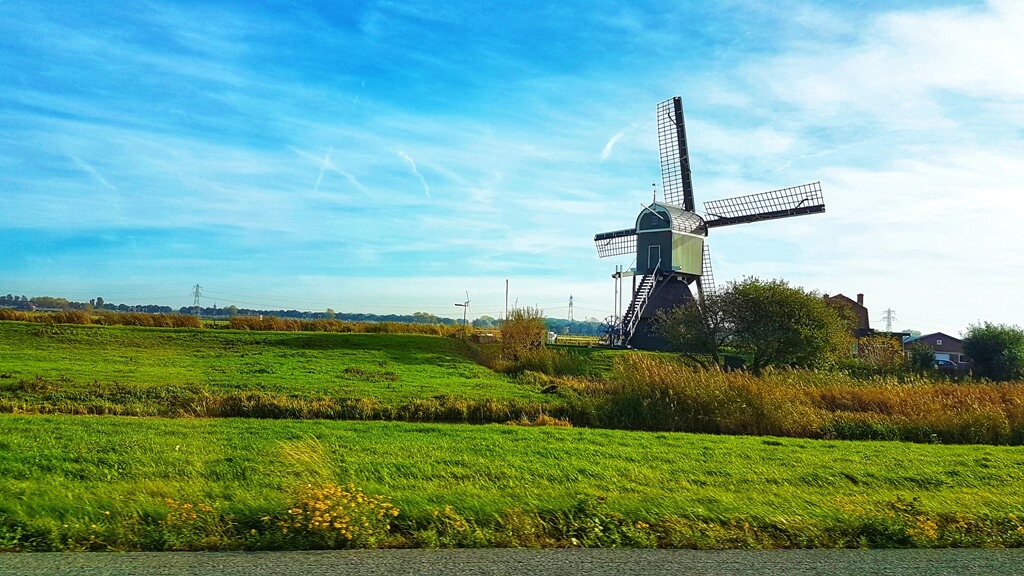
    Kinderdijk: Kinderdijk is a UNESCO World Heritage site located in the province of South Holland. The site is famous for its 19 windmills that were built in the 18th century to pump water out of the polder.

    Zaanse Schans: Zaanse Schans is town situated in Zaandam. Here are well-preserved historic windmills, houses, and workshops, which provide a glimpse into the traditional way of life in the Zaan region during the 18th and 19th centuries. Visitors can see the windmills in operation, and can also take a tour of the inside to learn about how they were used for different industrial purposes such as sawing wood, grinding pigments, and producing oil and paint.

    In addition to the windmills, the museum also features a number of traditional Dutch houses, including a cheese farm, a clog maker’s workshop, and a blacksmith’s shop. Visitors can also see demonstrations of traditional crafts such as wooden shoe-making, pottery-making, and cheese-making.

    Zaanse Schans is a popular tourist destination, attracting over 1 million visitors annually. The museum is open all year round, and admission is free.

    These are just a few of the many places to visit in the Netherlands, each with its own unique charm and beauty.


  • About Zambia and best places to see for tourists

    Zambia is a landlocked country in southern Africa known for its diverse culture and natural attractions. The country is home to a wide variety of flora and fauna, as well as several national parks and game reserves. The Victoria Falls, one of the seven natural wonders of the world, is also located on the border of Zambia and Zimbabwe.

    The official language of Zambia is English, although many other languages are also spoken, such as Bemba, Nyanja, and Tonga. The country has a diverse population, made up of more than 70 ethnic groups. The majority of the population is Christian, with a significant minority of Muslims and followers of traditional African religions.

    Zambia’s economy is heavily dependent on copper mining, which accounts for a large percentage of the country’s export earnings. However, the government is working to diversify the economy and promote other sectors such as tourism, agriculture, and manufacturing. Despite this, Zambia is still one of the poorest countries in the world, with a high rate of poverty and unemployment.

    The country has a relatively stable political climate, with regular elections and a multiparty system. However, like many African countries, Zambia has faced challenges in terms of human rights and corruption. The government has been criticized for its restrictions on freedom of speech and political opposition, as well as for its handling of land disputes and police brutality.

    In terms of culture, Zambia is home to a rich tradition of arts and crafts, including woodcarving, pottery, and textile weaving. The country is also known for its traditional music and dance, which features heavily in ceremonies and festivals. The most famous of these festivals is the Kuomboka, held in the western province of Barotseland, where the Lozi people celebrate their king moving from one capital to the other depending on the flooding of the Zambezi river.

    Overall, Zambia is a country with a lot to offer. Despite its challenges, it is a place of great natural beauty and cultural richness. With efforts to diversify its economy and promote tourism, it is hoped that the country will be able to address its poverty and unemployment issues and become a more prosperous and stable nation.

    Best Places to see while visiting Zambia: 

    Victoria Falls: One of the seven natural wonders of the world, the Victoria Falls is a must-see attraction in Zambia. Visitors can take a guided tour, go on a sunset cruise, or even go bungee jumping or white-water rafting.

    Lower Zambezi National Park: This park is known for its diverse wildlife, including elephants, lions, leopards, and many species of birds. Visitors can go on game drives, boat safaris, and walking safaris.

    South Luangwa National Park: This park is known for its large population of elephants and leopards, as well as its walking safaris and night drives.

    Mosi-oa-Tunya National Park: Located near Livingstone, this park is home to the Victoria Falls and offers a variety of activities such as scenic flights, white-water rafting, and bungee jumping.

    Lusaka: The capital and largest city of Zambia, Lusaka offers a glimpse into modern Zambian life and culture. Visitors can explore the city’s markets, shops, and restaurants, as well as visit the National Museum and the Freedom Statue.

    Livingstone: Known as the adventure capital of Zambia, Livingstone offers a variety of outdoor activities such as white-water rafting, bungee jumping, and wildlife safaris.

    The Kafue National Park: The park offer great wildlife viewing, as well as a chance to take a boat safari on the Kafue River and even drive on specially designated game-drive tracks.

    Bangweulu Wetlands: This unique ecosystem is home to a wide variety of bird species, as well as many other forms of wildlife, and is a favorite spot for birdwatchers.

    The North Luangwa National Park: The park is known for its remote and untamed wilderness, as well as its walking safari experiences.

    The Chipata: It is a city in the Eastern province of Zambia, it has a vibrant market, which is one of the largest in Zambia and offers a variety of local crafts and goods. Chipata is also the hub of the tobacco industry and offers a glimpse into the rural way of life.

    These are just a few of the many places that Zambia has to offer, and visitors should also consider other destinations depending on their interests such as, Lake Kariba, the Copperbelt province, and the culture of the Tonga people among others.


  • 5 Fun Facts About Egypt

    How do we describe Egypt? It is a region rich in myths, legends, historical civilizations, and the Giza Pyramids. Featuring some of the most intriguing historical sites on the ground, Egypt is a thrilling destination to visit. As we go through these most fascinating facts about Egypt, you’ll understand how there is so much beyond this country than just the pyramids.

    Egypt is a fascinating place to visit because it has one of the world’s oldest ancient civilizations. These Egypt facts will assist you to comprehend the history of the ancient Egyptians and the connotation of some of the nation’s most well-known attractions if you’re planning to travel to the Middle East.

    Several of the most interesting facts about Egypt are related to ancient Egypt, which is also one of the oldest civilizations. Many of its most popular tourist destinations were constructed by the ancient Egyptians, and a lot of the traditions and practices are still considered effective that was embraced by the Pharaohs and their Islamic religion. Now let’s move further with this topic and discuss fascinating facts you would love to know about Egypt,

    ● Egypt Is Habitat To The Very last Ancient Wonder In The World

    The legitimate structure from the seven pre-historic wonders of the world is still sitting in Egypt. Only the Great Pyramid of Giza, situated in El Giza, Egypt, has survived. The provincial capital of Cairo is the habitat of the magnificent Pyramids of Giza, which are still breathtaking today. The largest of all the pyramids, the Great Pyramid of Khufu was erected in the 4th century BC to build to house the Pharaoh Khufu. It is now referred to as the Cheops pyramid.
    When visiting Cairo, you must make sure that you see the pyramids as they are noticeable from every part of the city. The Khufu Pyramid is immense, measuring 146.7 metres tall (481 feet).

    giza pyramid
    Photo by Jeremy Bishop on Unsplash

    ● Seven UNESCO World Heritage Sites Are Discovered In Egypt

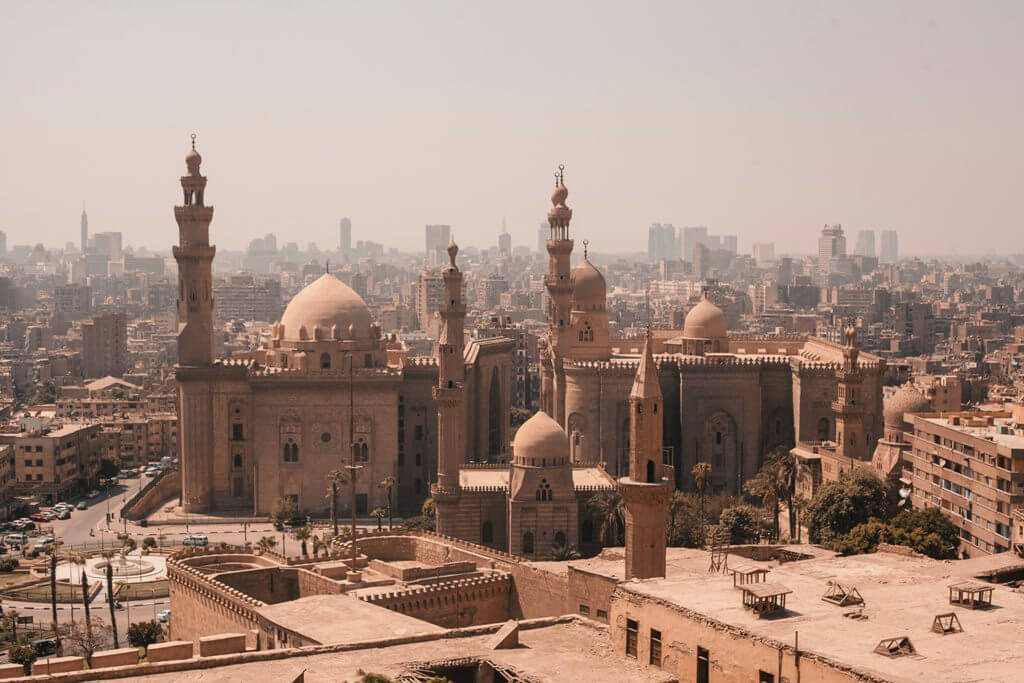
    Are you aware that seven UNESCO World Heritage sites are located in Egypt? Yes, Egypt has a lot more to offer. The seven locations are Abu Mena, Ancient Thebes, Abu Simbel, Saint Catherine, Wadi Al-Hitan (also known as Whale Valley in the western desert of Egypt), and Historic Cairo. Which ones have you visited? The Pyramid Fields from Giza to Dahshur are genuinely Memphis as well as its Necropolis, so the probability is if you’ve ever been to Egypt you’ve just seen this UNESCO site. Luxor and the Canyon of the Kings are located in ancient Thebes, Abu Simbel is now on Lake Nasser, historic Cairo is a must-see location, and Saint Catherine is situated at the base of the mountain ranges where Moses was offered the Ten Commandments.

    Great Sphinx of Giza, Giza Plateau, Cairo, Egypt
    Photo by Adrian Dascal on Unsplash

    ● Adored board games in ancient Egypt

    We probably share a lot of similarities with the ancient Egyptians, and one of their more fascinating traits was their adoration of board games. Even the common folk appreciated a good board game; not just the wealthy who plays.

    Senet and Mehen were the most frequently played board games. Senet, a stick-throwing game, was popular enough that even pharaohs were entombed with a game to play for enjoyment in eternal life. They have been played on tables for 5000 years. Which board game is your top pick?

    ● The Nile River is home to 95% of Egyptians

    Are you aware that Egypt is home to the world’s longest river? 95% of Egypt’s citizens live all along the Nile River, which moves through the region. This actuality about Egypt shouldn’t come as much of a surprise considering what percentage of the nation is composed of the desert. The River Nile splits Egypt’s desert, which makes up 90% of the country.
    The desert and the Nile Valley functioned as the antiquated Egyptians’ divisions of Egypt. With exception of what you might assume, Upper Egypt is in the south and lower Egypt is in the north. This is a result of the Nile’s northward flow towards the Mediterranean Sea.

    Nile river
    Credit : Rod Waddington / wikimedia

    ● King Tut and the Mummy’s Curse

    King Tut is undoubtedly the most well-known of all the ancient Egyptians, but until British archaeologist, Howard Carter discovered the tomb in 1922, very little has been known about the boy king who passed away at the tender age of 19. The King Tuts Tomb in the Valley of the Kings is the smallest, and it was stuffed full of valuables.

    The hieroglyphs on the ceiling of King Tut’s tomb were thought to bear the death curse. During our visit, he went into King Tut’s tomb, and he was glad that he didn’t know about this curse beforehand because otherwise, he might have not accomplished it.

    After reading all these facts you might want to go and check all this out for yourself, I would love to suggest you all visit Egypt and discover more fun facts from your own experience.

    camel egypt city
    Photo by Adrian Dascal on Unsplash