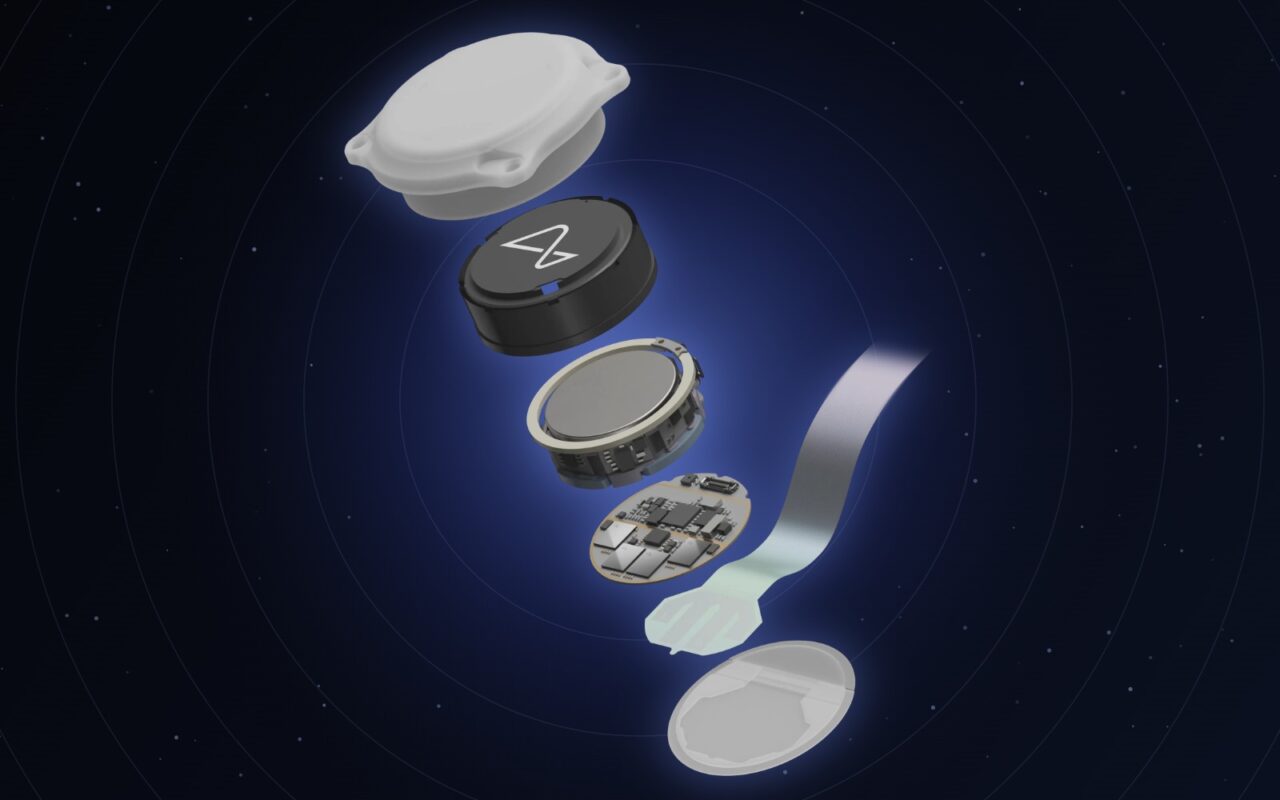
In the post on X, Musk says Neuralink’s first product is called Telepathy and that it lets people communicate with computers, or with other people, just by thinking. He also says that within a few years, the speed of getting words out of your head this way will go far beyond the fastest talker or typist.
That is a big promise. The more interesting part is what he was sharing: a look at what Neuralink’s engineers built when they moved into a patient’s home for three days.
Neuralink’s first product is called Telepathy.
It enables high-speed communication with computers or humans simply by thinking. Output bandwidth will vastly exceed the fastest human speech or typing in a few years. Read that sentence again. https://t.co/cv1KCA076q
— Elon Musk (@elonmusk) October 30, 2026
Three days, one living room
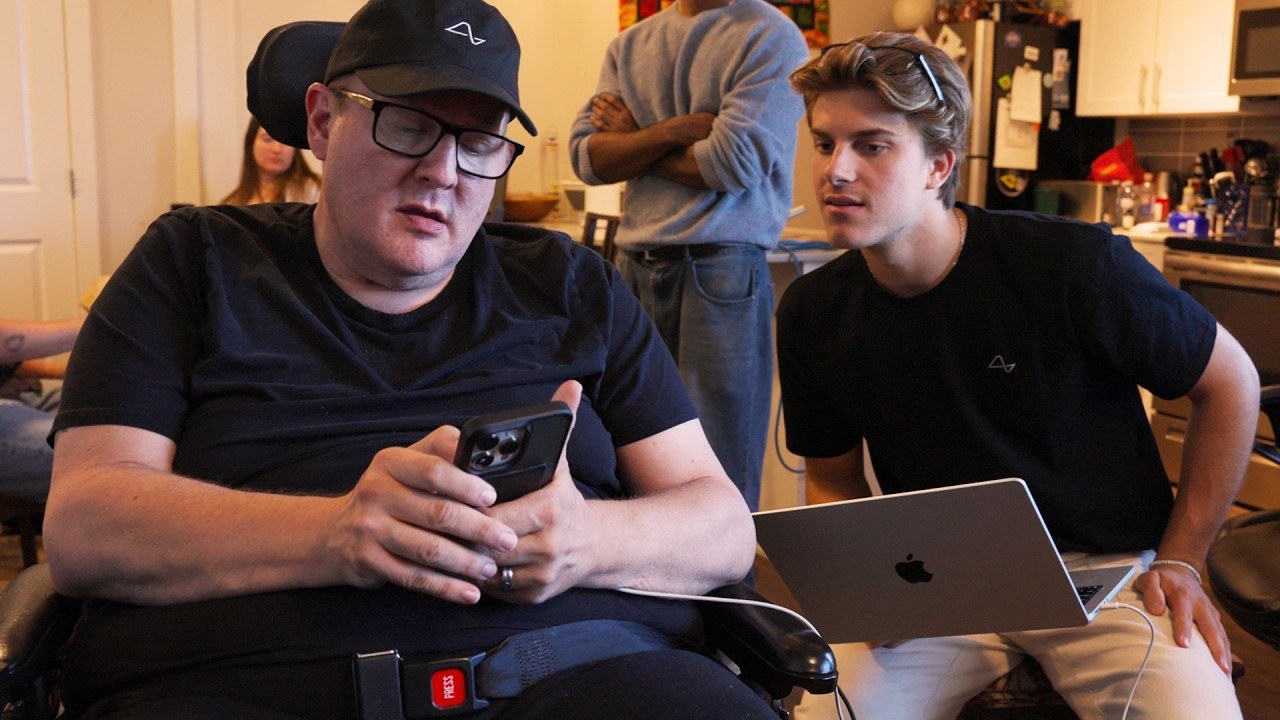
According to Neuralink’s blog post, its engineers spent 72 hours at the home of a participant in its VOICE study, which is testing the implant as a way to help people who have lost the ability to speak. The plan was simple: build as many features as possible and have him try each one straight away.
There is a good reason for doing it this way. None of the engineers have an implant, so they cannot feel whether a design actually helps or just gets in the way. Only the participant can. Neuralink says sitting next to him squeezed weeks of feedback into hours.
No more pressing a button to talk
Until now, decoding speech meant pressing a button to start and stop recording. The team built a system that notices when the user is trying to speak and starts and stops on its own. For someone who struggles to press buttons in the first place, that is a bigger deal than it sounds.
They also built live visuals that show how strongly the implant is picking up brain activity. The participant used them to try different ways of imagining speech and see which ones worked best. Neuralink says it turned tuning the system into something closer to a game. Not a bad way to do homework.
“Hey Neuralink”
Here comes the part that sounds the most like science fiction. The team made a prototype where the user thinks of saying “Hey Neuralink” followed by a task, and a Grok AI agent then does the job on the computer.
It is an early prototype, not a finished feature. Still, it shows the direction. If the link between brain and computer gets faster, you may not need to steer a mouse at all. You just say what you want done.
A phone you can use by thinking
Much of the work went into Bloom, Neuralink’s mobile app for speech. In one of the videos, the participant uses it to order coffee in public.
The team also added a keyboard for iPhone that sends decoded speech into any app, a quicker way to fix mistakes and a shortcut on the lock screen so he can start talking without unlocking the phone first. None of that is flashy. But when every tap takes effort, removing one tap matters.
And mistakes do happen. Neuralink is open that its decoders are not perfect, so making corrections fast is a big part of the job.
The phone call that meant the most
This was the feature the team seemed proudest of. Bloom now works with iPhone calls, so the decoded speech goes straight into the call and the other person hears clear audio. There is also an optional greeting that tells the caller someone is using a communication device.
Neuralink says the participant and his wife first got together over phone calls. Watching them joke with each other on the phone again was, in the team’s words, one of the most memorable moments of the week. Hard to argue with that.
Want to see how the implant works?
If you are wondering how a chip in the brain picks up speech in the first place, this one is worth your time. Science journalist Cleo Abram looks at Neuralink’s newer R1 surgery robot, what sits inside the implant and why brain chips do not actually read your mind. It runs about 18 minutes and explains the basics far better than a list of specs.
So is Telepathy faster than talking yet?
Not yet, and Neuralink does not say it is. The hackathon post shares no speed figures at all. The “faster than speech” part is Musk’s forecast for the next few years, not something shown here.
The Telepathy name is not new either. Musk first used it in early 2024 for the implant that lets people control a computer with their thoughts. What is new is how much of the work is now about speech and everyday use.
There is also the usual important note. Neuralink’s devices are still being tested and have not been approved by the FDA or any other regulator. The videos show one volunteer, and his experience may not match other participants or future results.
A few years ago, using a phone with your mind sounded like a movie plot. Now the hard problems include a quicker edit button and starting a chat from the lock screen. That is less exciting than telepathy. It might be the part that makes it actually useful.